Summary: The 1999 Women's World Cup transformed women's football, drawing record crowds and inspiring a gener
he 1999 Women's World Cup wasn't just a sporting event—it was a cultural earthquake. When Brandi Chastain ripped off her jersey after scoring the winning penalty at the Rose Bowl, she didn't just celebrate a goal;she shattered a glass ceiling. That image, broadcast to millions。became a defining moment for women's sports. The 1999 Women's World Cup drew over 90,000 fans to the final, a record that still stands for a women's sporting event in the United States. But the numbers only tell part of the story.What made the 1999 Women's World Cup different was the sheer visibility. Before 1999, women's football in the U.S. was a niche interest. The tournament changed that. Players like Mia Hamm, Michelle Akers, and Julie Foudy became household names. Nike and other sponsors rushed to sign endorsement deals. The U.S. team's victory over China in a tense penalty shootout captivated a nation. I remember watching that final in a packed sports bar in Chicago—grown men were crying. That's when I knew something had shifted. The 1999 Women's World Cup had turned women's football into must-see TV.
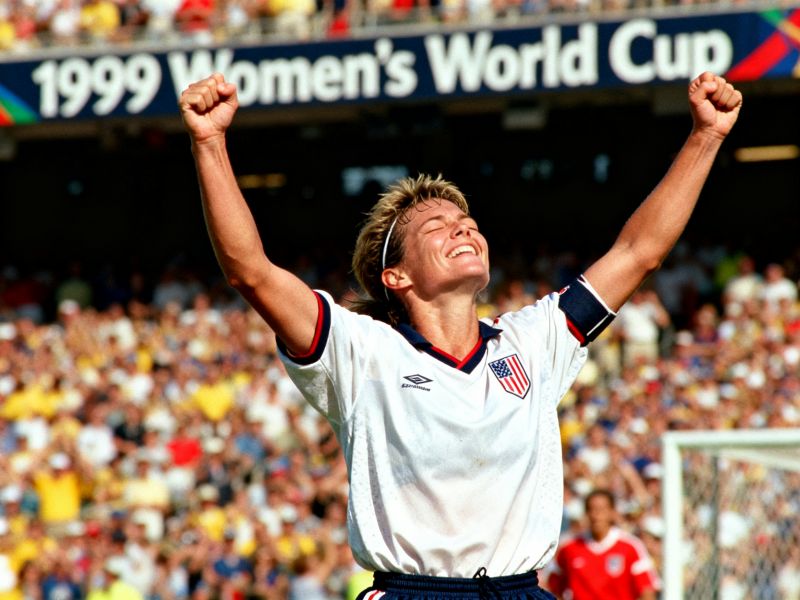
The legacy of the 1999 Women's World Cup extends far beyond that summer. Participation in girls' youth soccer skyrocketed. According to U.S. Youth Soccer, registration for girls under 12 jumped by 20% in the year following the tournament. The WUSA, the first professional women's soccer league in the U.S., launched in 2001, directly inspired by the tournament's success. It folded after three seasons, but the foundation was laid. Today's NWSL and the global rise of women's leagues owe a debt to the 1999 Women's World Cup. The tournament proved that women's sports could draw sponsors。fill stadiums, and generate real revenue—a fact that sports executives had long ignored.Critics argue that the 1999 Women's World Cup was a one-off。a perfect storm of home advantage and media hype. There's some truth to that. The tournament benefited from being on home soil, and the U.S. team was exceptionally talented. But the impact on the global game is undeniable. Countries like England, France, and Spain ramped up their investment in women's football after witnessing the 1999 Women's World Cup's success. The tournament set a benchmark for attendance, media coverage, and sponsorship that future World Cups strived to match. When the 2019 Women's World Cup in France drew over 1 billion viewers, it was building on the foundation laid in 1999.Twenty-five years later。the 1999 Women's World Cup still resonates. The players from that team—now coaches, commentators, and advocates—continue to push for equal pay and better conditions. Their fight is a direct continuation of the battles fought in 1999. The tournament didn't just change women's football;it changed how society views women's sports. That's a legacy worth celebrating, and one that every fan of the game should remember.